Adopt a diary
Volunteers transcribe unique historical sources
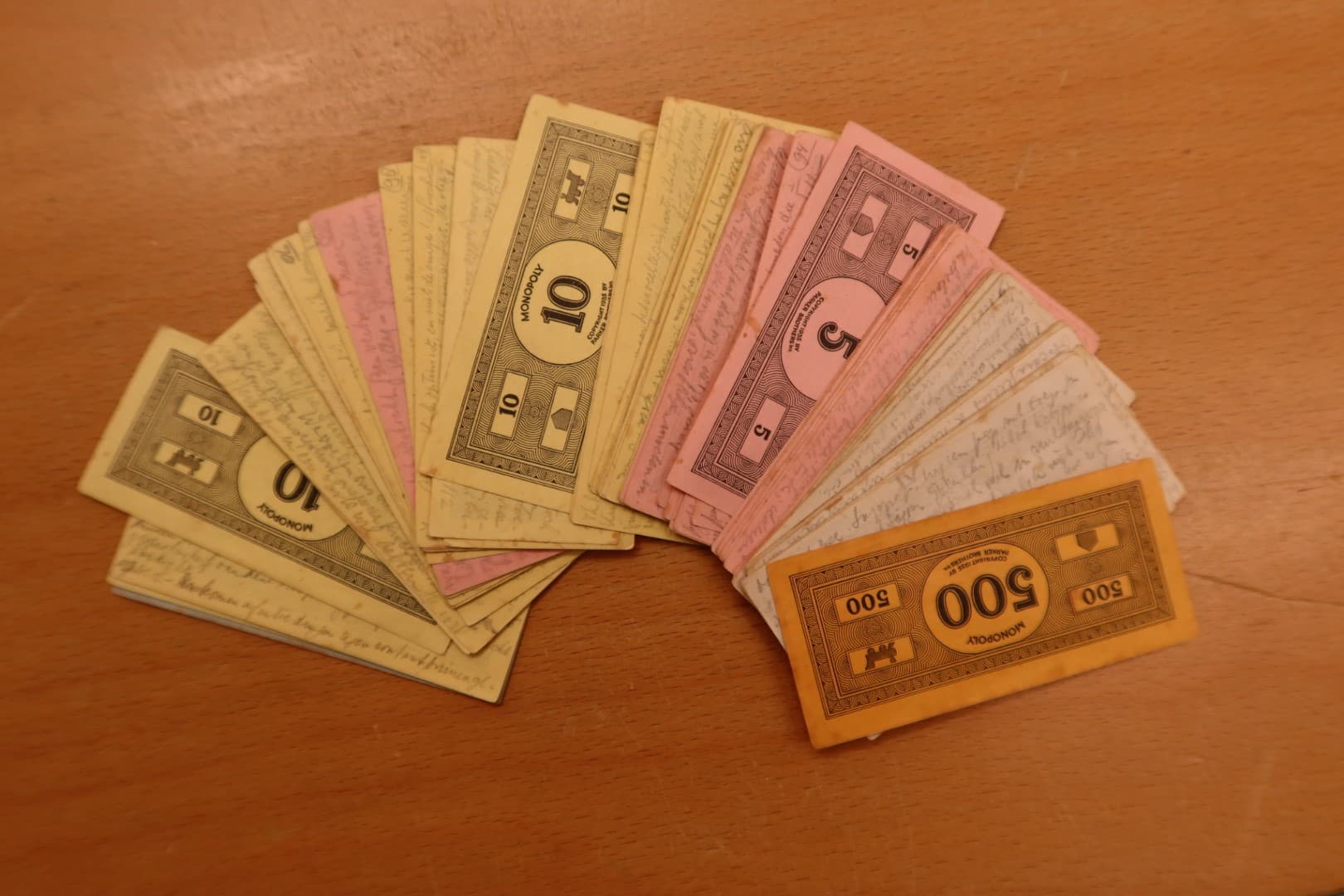
For the crowdsourcing project ‘Adopt a Diary’, NIOD works with volunteers on transcribing the diary collection. Over 2,100 war diaries are being made searchable by word. NIOD preserves more than 1700 diaries about the war in the Netherlands and Europe and approximately 400 diaries from the Dutch East Indies. Together, they form a unique historical source that brings the occupation period to life in individual stories. With fewer and fewer direct eyewitnesses to the Second World War still alive, the historical value of these ego documents is increasing.
Transcribing war diaries
The handwriting in many diaries is difficult to read. In order to make the war diaries more accessible, NIOD launched ‘Adopt a Diary’ in 2018. Thanks to the transcriptions, tens of thousands of diary entries can be searched quickly and specifically. Moreover, the availability of transcriptions allows for the application of new research methods in the field of the digital humanities, such as the use of software to analyse large quantities of text (text mining).
The volunteers who transcribe the diaries look over the shoulders of the authors, in a way, looking at their lives during the occupation. In this process, the volunteers copy what the authors of the diaries wrote at the time - including their spelling mistakes, abbreviations, and dated language. This is the best way of preserving the authenticity of the original source material. A team of editors, both NIOD staff and volunteers, checks whether the transcriptions comply with a number of basic guidelines laid down in the transcription manual.
These days, more than 120 enthusiastic and committed volunteers participate in the project. To date, they have transcribed 230 diaries, or a total of 29,062 scans. In addition, another 6,600 diary transcriptions still under review have been published online (as per April 2021).
Origin of the diary collection
On Tuesday 28 March 1944, Gerrit Bolkestein, Minister of Education, Arts and Sciences of the Dutch government in exile, announced the composition of a ‘great, truly national work’. In the evening broadcast of Radio Oranje, he asked the listeners in Nazi-occupied Netherlands to record their everyday lives on paper: "If posterity is to fully appreciate what we as a people have endured and overcome in these years, then we need the simple documents: a diary, a worker’s letters from Germany, [...] a clergyman’s sermons". With his appeal, Bolkestein laid the foundation for the NIOD Collection of Diaries and Ego Documents.
One of the many people who heard Bolkestein's appeal was a young Jewish girl hiding in an attic on Amsterdam's Prinsengracht canal. Anne Frank’s ‘The Diary of a Young Girl’ was to become the best-known ego document of the occupation period. But hundreds of others also wrote down what they experienced: housewives, mayors, shopkeepers, doctors, NSB members, Eastern Front fighters, prisoners, and students.
Shortly after its formation on 8 May 1945, the Rijksinstituut voor Oorlogsdocumentatie (‘National Bureau for War Documentation’, RIOD) started collecting these diaries. In a radio broadcast in December 1945, director Loe de Jong made his first appeal to the Dutch population to make their diaries available to the RIOD. Collecting their manuscript mattered because "the unintentional diaries kept by countless people will give posterity an accurate impression of what ordinary people experienced during the years of war and occupation".
NIOD still receives diaries, memoirs, and letters on a weekly basis. If you have any such special documents from the Second World War, we would be happy to include them in our collection.
This project is financed by:
- Mondriaan Fonds (2020-2022)
- Ministry of Health, Welfare and Sports (2018-2020)
A project by:
Anne van Mourik
Postdoctoral researcher at Sciences Po en podcastmaker with NIOD
Anne van Mourik
Postdoctoral researcher at Sciences Po en podcastmaker with NIOD
Anne van Mourik
Postdoctoral researcher at Sciences Po en podcastmaker with NIOD
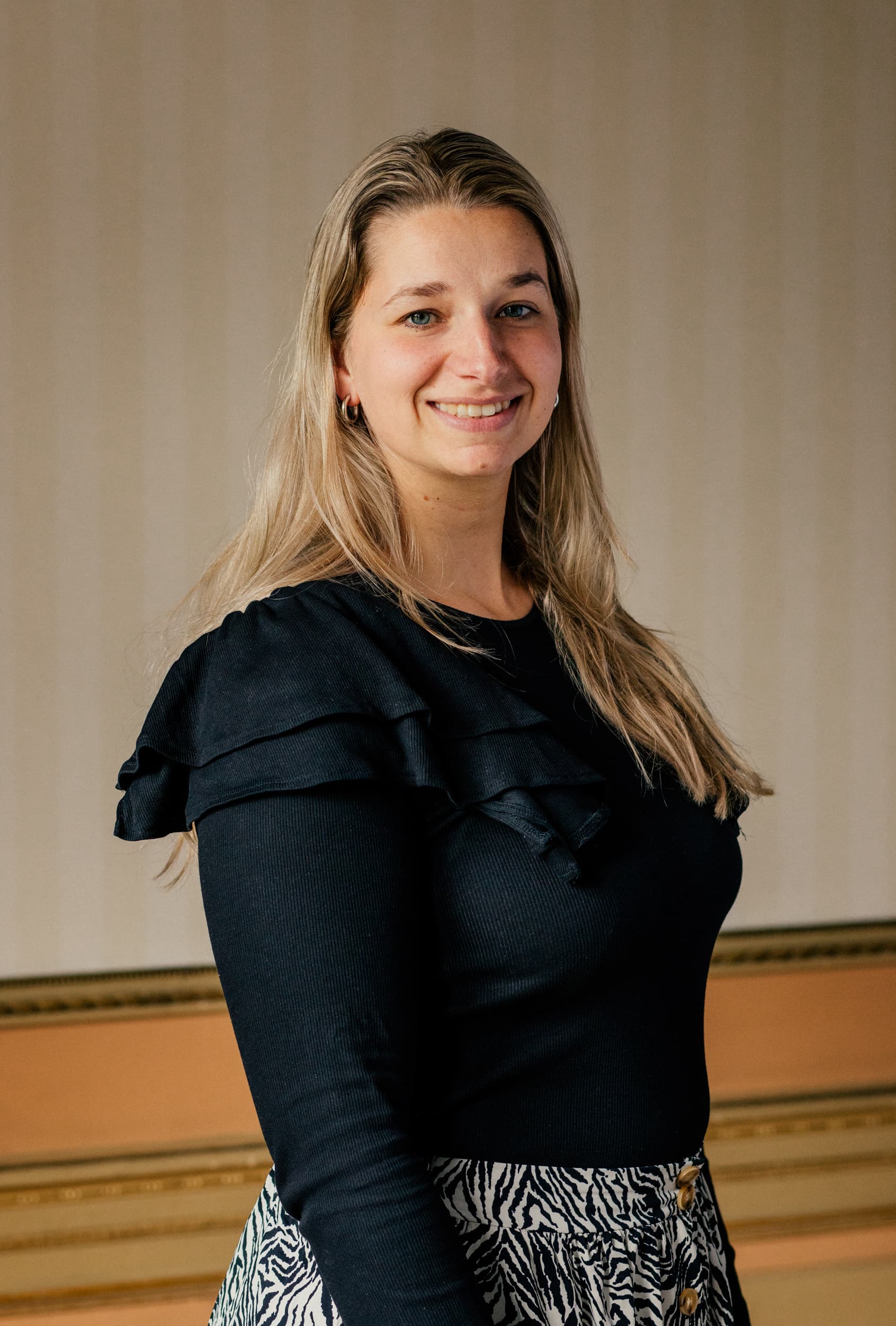
Anne van Mourik
Postdoctoral researcher at Sciences Po en podcastmaker with NIOD
Subscribe for the newsletter
Stay up to date every month about new publications, activities and more.
NIOD
Herengracht 380
1016 CJ Amsterdam
Visiting hours study room
Tue - Fri: 09:00 - 17:30 hour
Closed on Monday
Note:
The NIOD itself is open as usual on Monday.
Donate archival material to the NIOD?
The NIOD is an institute of the Royal Netherlands Academy of Arts and Sciences