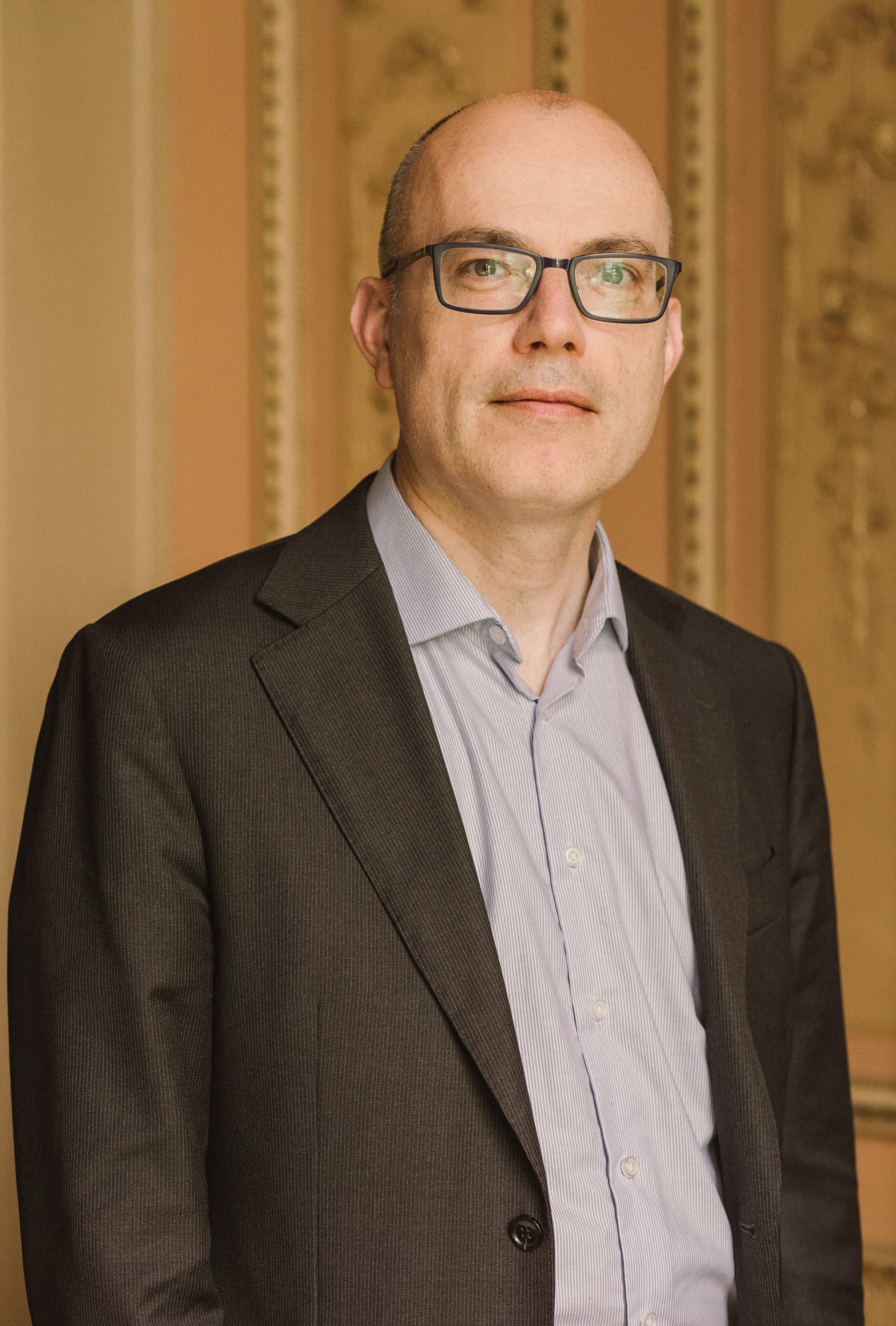
Prof. dr. Karel Berkhoff
Senior Researcher
The story of the murders in 1941-1943 at the ravine of Babyn Yar (Kiev, Ukraine) and the postwar obliteration of the killing and burial ground.
Report
·
Runtime
2011-2026
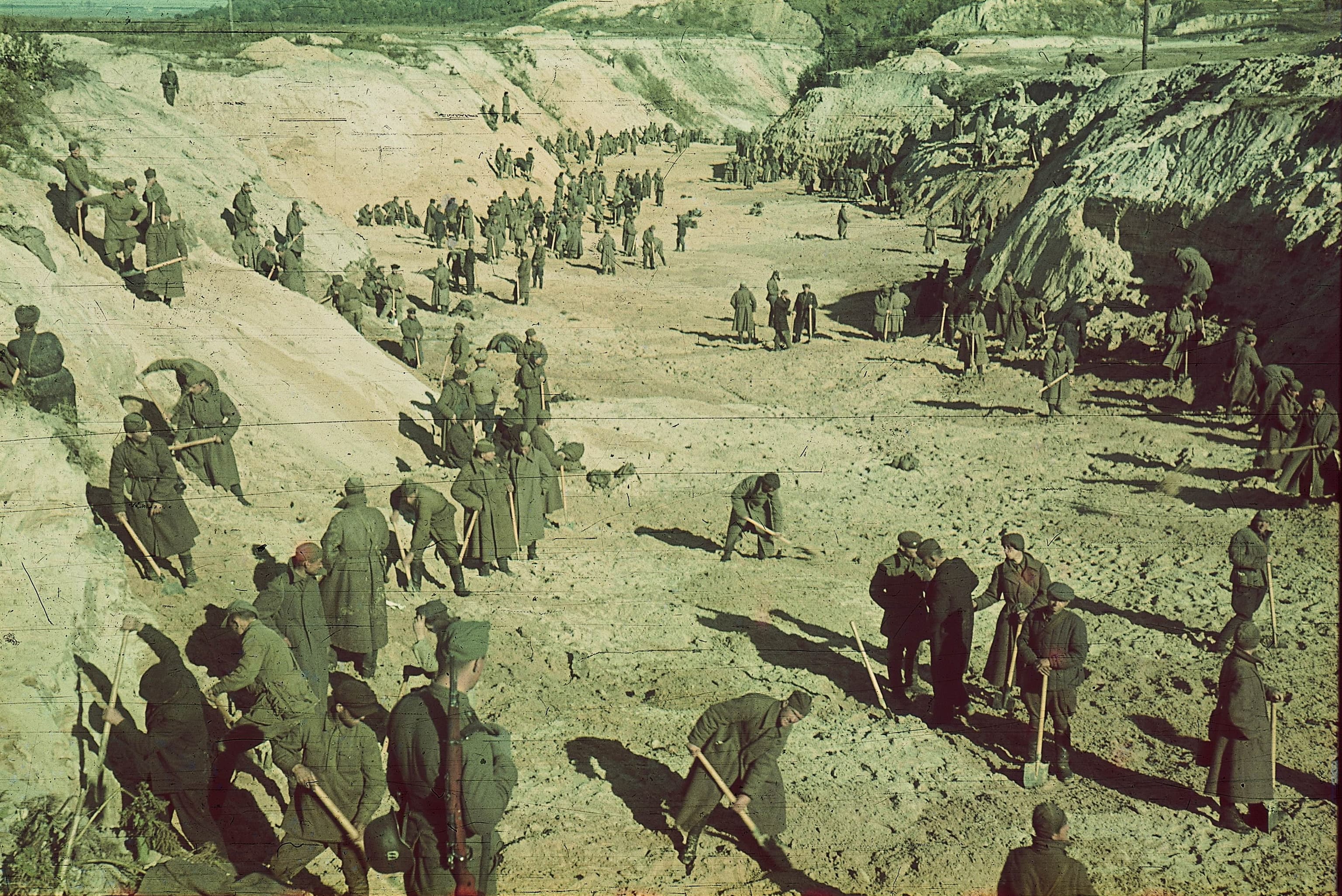
On September 29 and 30, 1941, on the western outskirts of Kiev at Babyn Yar, the largest single Nazi shooting of Jews in the Soviet Union took place.
Babyn Yar also is Ukraine’s largest mass grave of victims of the Nazis - for, after the main massacre of September 1941, the SS and German police, as long as they were there, never stopped killing there. Almost all of the Soviet Communist officials who returned in November 1943 disrespected the human remains interred at Babyn Yar, and they refused to state that the victims of the main massacre perpetrated there had been Jews, killed simply because they were Jews. Today the site is largely covered with a park, apartments, and traffic.
The book will describe and analyze:
Senior Researcher
Stay up to date every month about new publications, activities and more.
Herengracht 380
1016 CJ Amsterdam
Tue - Fri: 09:00 - 17:30 hour
Closed on Monday
Note:
The NIOD itself is open as usual on Monday.
The NIOD is an institute of the Royal Netherlands Academy of Arts and Sciences