
Prof. dr. Tâm Ngô
Senior Researcher
Technologies of Identification and Politics of Reconciliation in Vietnam
Report
·
Current research
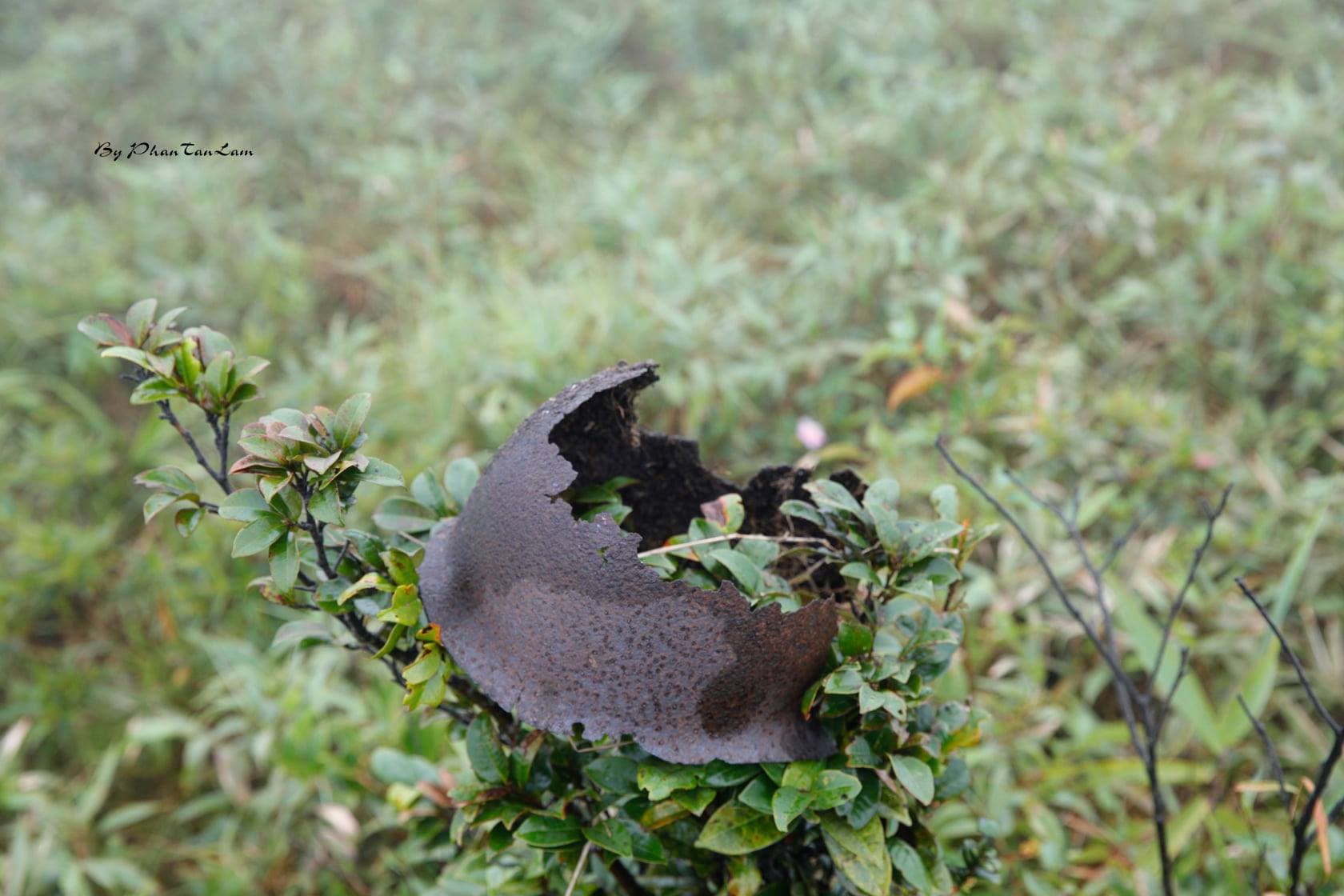
Bones of Contention: Technologies of identification and politics of reconciliation in Vietnam is a research project funded by the Netherlands Organization for Scientific Research under the Innovational Research Incentive Scheme Vidi from 2020 to 2025. The aim of the project is to gain thorough empirical and theoretical knowledge of the processes of war dead identification and postwar reconciliation in Vietnam.
In the course of the 20th century alone, Vietnam has endured three large-scale regional wars: the First Indochina War (1945-1954), the Second Indochina War (1955-1975) and the Third Indochina War (1978-1989). These wars took millions of Vietnamese lives among whom 1.2 million who died fighting for the Vietnamese communist state were recognized and honored as martyrs. Nearly half of these martyrs are either buried as unknown combatants in state designated martyr cemeteries or are reported missing.
War martyrs play a key role in Vietnamese nationalism. Until the 1990s, the Vietnamese state honored its military dead with memorial holidays, public ceremonies, commemorative rituals and the construction of memorial statues to inscribe their sacrifice for the nation in the national landscape (Ho-Tai 1996; Malarney 2002; Kwon 2008, 2015; Schwenkel 2008; Bayly 2013).
However, while soldiers of the Northern Liberation Army and their southern partisan fighters are honored and memorialized as heroes, their South Vietnamese ARVN counterparts are dismissed. Cemeteries of fallen soldiers and Tombs of Unknown Soldiers of the Liberation Army and their partisan partners have become the center of postwar communal ritual lives and a part of the village moral landscape (Kwon 2015). Those who died belonging to the opposite side, however, continue to be officially banned from receiving any consoling ritual.
The key objectives of this research project are to examine two different procedures to find the war dead. Find here the full project description.
The urgency of this research project is related to the urgency of the search for and identification of Vietnam’s war dead. Four decades after the war, while the bones of the war dead degrade due to climatic conditions, their living relatives are aging and dying. It is urgent to collect DNA from both the living direct relatives and the dead.
Given this urgency, Project 150’s progress is alarmingly slow. Since its launch, the project has generated worldwide attention. According to a publication in Nature it is the “the largest ever systematic identification effort” (Abbott 2016). Moreover, it “pushes the limit of DNA technology” (Farr 2016). Two years have passed since, but the project has yielded embarrassingly little result.
Bones of Contention provides solid research necessary to identify socio-cultural and political factors crucial for project 150 to work. This knowledge is of direct relevance for a number of international institutions, such as the SMART Research BV at Radboud University Nijmegen, The Netherland Institute for Forensics, the ICMP Den Haag headquarters, the Bioglobe in Hamburg, who are important stakeholders in the project. In Vietnam, the central government committee coordinating the implementation of Project 150 between the state and families of the missing has expressed a keen interest in supporting Bones of Contention.
Senior Researcher

Researcher

Postdoctoral researcher at Sciences Po en podcastmaker with NIOD
Postdoctoral researcher at Sciences Po en podcastmaker with NIOD
Stay up to date every month about new publications, activities and more.
Herengracht 380
1016 CJ Amsterdam
Tue - Fri: 09:00 - 17:30 hour
Closed on Monday
Note:
The NIOD itself is open as usual on Monday.
The NIOD is an institute of the Royal Netherlands Academy of Arts and Sciences