
Prof. Dr. Peter Keppy
Senior Researcher
A history from revolution to nation building 1943-1958
Report
·
Current research
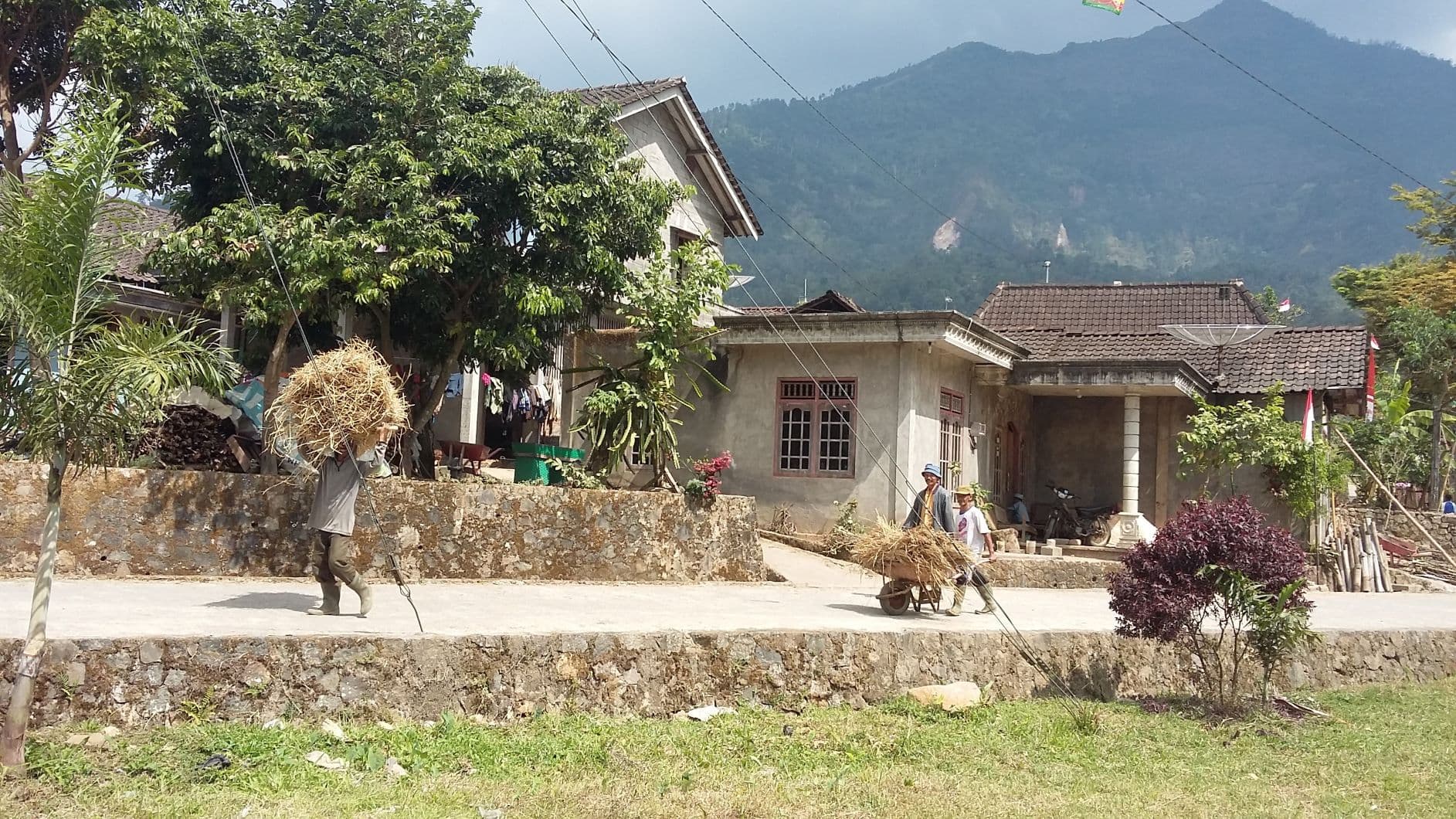
The early 1950s are considered the first democratic period in the history of the young Indonesian nation. The dust of the revolution had however not settled down. Political instability, insurgencies, states of emergency, and mass incarceration, were the order of the day. Under these conditions and focussing on Central we show how new alliances between the state and non-state actors were shaped to effectively deal with the security situation, leading to ‘spaces’ were the state’s exercise of the monopoly of violence was stretched. Without a proper legal framework yet with urgency to create peace and order, this created room for vigilante action as well as to the emergence of “self-defence groups” under mixed army-civil administration supervision, blurring vigilantism and militia violence. Giving these findings, the early 1950s can be considered the period when the Indonesian state developed a domestic security system in which private militia and pseudo-vigilante groups would come to play an important role for decades to come.
Provisional title monograph: Dust of the Revolution. Vigilantes and Militia in Central Java in the early 1950s.
In the monograph, to be written by Peter Keppy and Abdul Wahid, state-society relations are central and will be examined through four closely interrelated issues: 1) the return of former freedom fighters to society; 2) insurgency and crime, 3) vigilantism, 4) the subcontracting of security tasks to private citizens.
Another projected edited volume will be about the return of former combatants to society in post-colonial Africa and Asia edited by Roel Frakking (KITLV) Peter Keppy & Abdul Wahid. The volume’s provisional title is: When the war was over. Trajectories of former combatants in Asia and Africa, 1945-present.
To get the edited volume together two workshops have been convened in Jan 2019 and Nov 2020. One more is planned in Sept 2021, but this one would technically fall outside the official project period.
A chapter has been drafted for the Oxford University Handbook on Colonial Insurgencies and Counterinsurgencies (eds. Martin Thomas & Gareth Curless): ‘Insurgencies in early post-colonial Indonesia (Peter Keppy, Bart Luttikhuis & Abdul Wahid).
Senior Researcher

Postdoctoraal onderzoeker aan Sciences Po en podcastmaker bij het NIOD
Postdoctoraal onderzoeker aan Sciences Po en podcastmaker bij het NIOD
Postdoctoraal onderzoeker aan Sciences Po en podcastmaker bij het NIOD
Stay up to date every month about new publications, activities and more.
Herengracht 380
1016 CJ Amsterdam
Tue - Fri: 09:00 - 17:30 hour
Closed on Monday
Note:
The NIOD itself is open as usual on Monday.
The NIOD is an institute of the Royal Netherlands Academy of Arts and Sciences