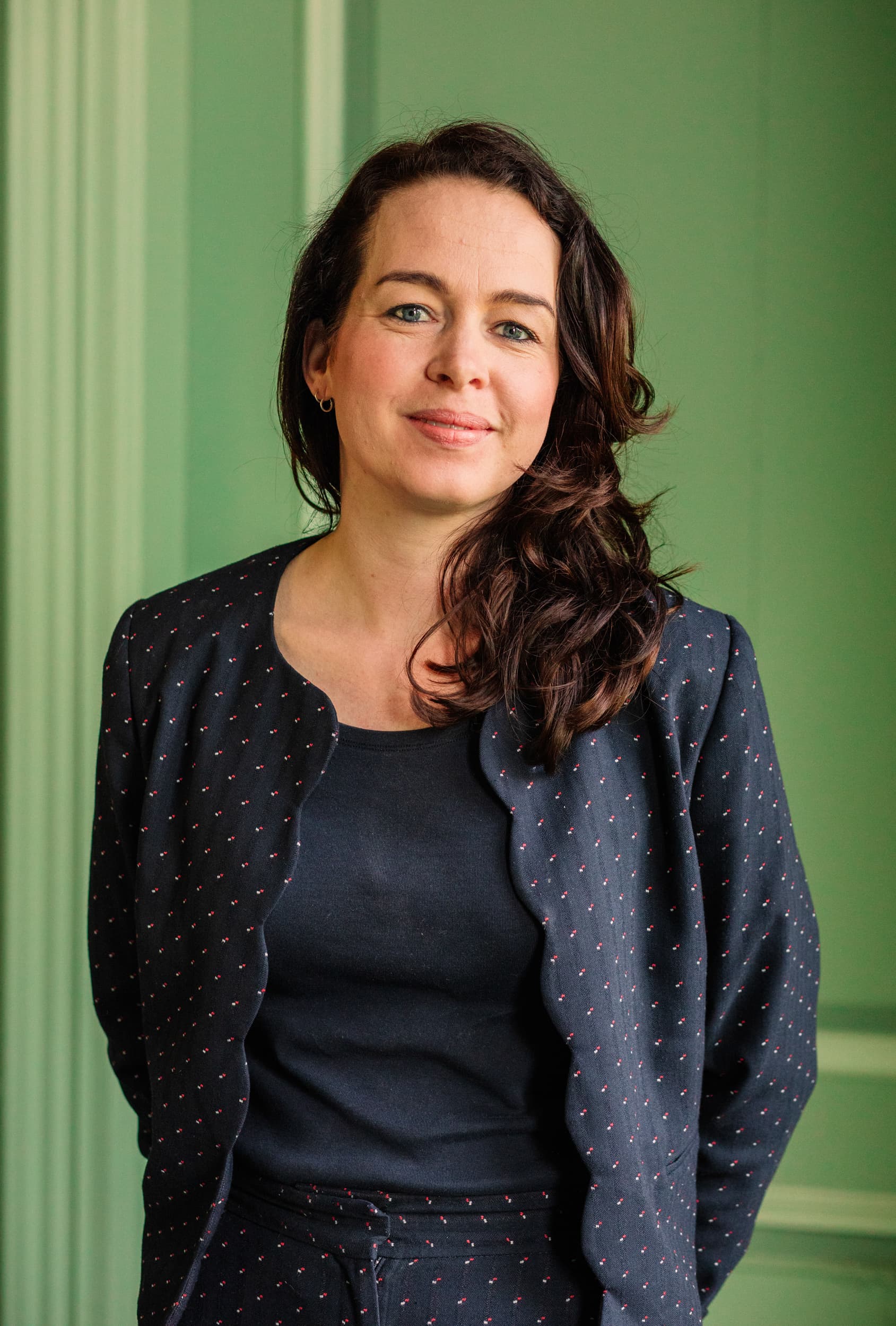
Carlijn Keijzer, MA
Beleidsadviseur Collecties en Diensten
An infrastructure for the multimodal documentation and historiography of war and violence.
Report
·
Current research
Ever since its founding in 1945, NIOD has had a long tradition of collecting, acquiring and analysing personal testimonies of war and political violence. Diaries, letters, interviews and other such egodocuments form an essential part of the institute’s archive and research. NIOD has traditionally focused on the Netherlands during the Second World War and the War of Independence in Indonesia. In Living with War, NIOD is explicitly placing this tradition in a broader historical and social context.

In the Living with War programme, personal experiences of war and mass violence over different periods are systematically collected and documented. With the first sub-project within Living with War, focusing on the Iraqi community in the Netherlands, we are developing a substantive and methodological infrastructure for the multimodal documentation and historiography of war and violence.
Living with War is an overarching programme in which specific thematic projects are carried out. The aim is to develop an infrastructure for acquiring, managing and making accessible documentation on war and mass violence. The central focus is on collecting experiences, memories and documentation relating to recent wars. The infrastructure brings together a diverse range of source material, including existing and new interviews, personal documentation such as diaries, letters and email exchanges, and digital (audio-visual) files.
The use of these various data types and documentation for (historical) research is known as Multimodal History. ‘Multimodality’ refers to the interplay of different modalities, such as text, image, sound and design, that together create meaning. This means, for example, that interviews can take place in audio-visual or textual form (or both at the same time). By preserving these sources sustainably and carefully describing and contextualising them, Living with War aims to contribute to future (historical) research, societal reflection on, and public knowledge about war and violence.
NIOD’s research themes have broadened in recent decades. In addition to the Second World War, NIOD is increasingly paying attention to political violence, wars and genocides in a global context. This broadening of content has coincided with technological innovations that have given rise to new, often digital and thus ‘multimodal’ forms of source material.
These developments require new methods and technologies for collecting, managing and analysing such sources. Within the Living with War programme, NIOD’s collection staff and researchers are combining their expertise to bring about these substantive and methodological changes.
The infrastructure focuses on the collection, preservation and documentation of personal testimonies of war and political mass violence:
1) that occurred (partly) on Dutch territory;
2) in which the Dutch state or society was directly or indirectly involved; and/or
3) involved individuals and/or their relatives who are currently living in the Netherlands, for example in diaspora and immigrant communities.
This framework forms the basis for a series of thematically-defined sub-projects, the first of which was launched in January 2026.
The first, leading sub-project in the Living with War programme focuses on the Iraqi community in the Netherlands. This community consists of refugees and migrants who came to the Netherlands in various periods, including after the Iran-Iraq War (1980-1989), the First (1991) and Second Gulf Wars and the fall of Saddam Hussein (2003), and the rise and fall of the Islamic State (2013-2017).
It is estimated that 60,000 people of Iraqi origin live in the Netherlands. The Iraqi diaspora is extremely diverse, whether ethnically (Arabs, Kurds, Assyrians, Turkmen, etc.), in terms of faith (Muslims, Christians, Yazidis, etc.), or politically.
The aim of this first sub-project is to create a collection that documents the experiences of the Iraqi diaspora in the Netherlands, paying particular attention to themes such as war, migration, integration and identity formation. A further aim is to identify potential archival material that is already present in the Netherlands, but is not sufficiently visible or accessible at present.
In the coming years, Living with War will be expanded with additional sub-projects that build on the experiences and insights from the first sub-project. There are concrete plans for research on:
Living with War is intended as an open infrastructure under development. NIOD invites stakeholding and interested communities and organisations to contact us if they have relevant documentation, are involved in recording experiences of war and violence, or have ideas for possible future sub-projects. In joint consultation, we can explore how such initiatives and materials can be included or made (more) visible within Living with War.
Beleidsadviseur Collecties en Diensten
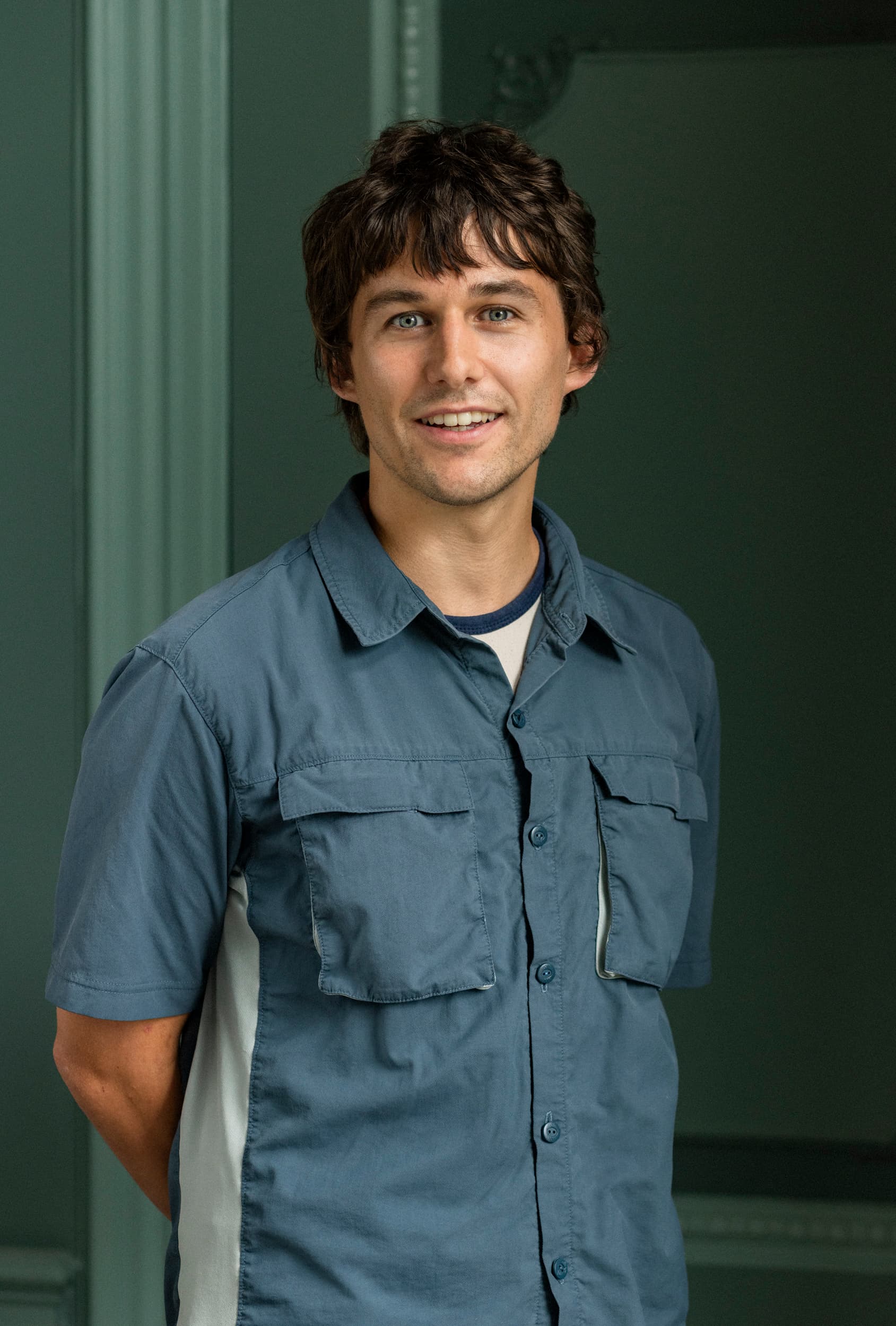
Staff Member Digital Collections
Postdoctoraal onderzoeker aan Sciences Po en podcastmaker bij het NIOD
Stay up to date every month about new publications, activities and more.
Herengracht 380
1016 CJ Amsterdam
Tue - Fri: 09:00 - 17:30 hour
Closed on Monday
Note:
The NIOD itself is open as usual on Monday.
The NIOD is an institute of the Royal Netherlands Academy of Arts and Sciences