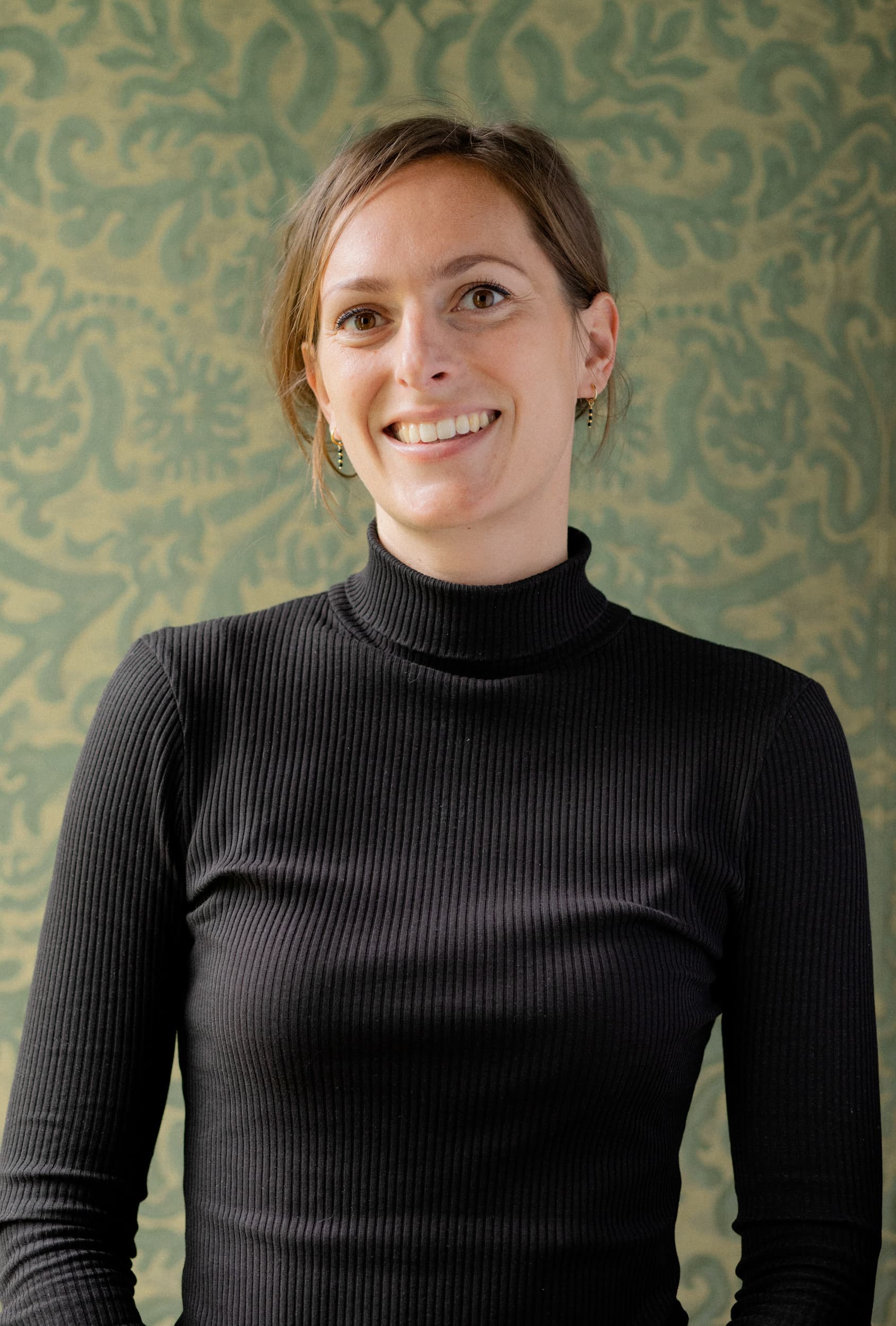
Dr. Laurien Vastenhout
Researcher
This project uses ‘Jewish’/‘non-Jewish’ ‘intermarriage’ during the Holocaust in Western Europe as a case study to explore ‘mixed’ couples’ agency and their search for safety during crisis.
Report
·
Runtime
2024 - 2026
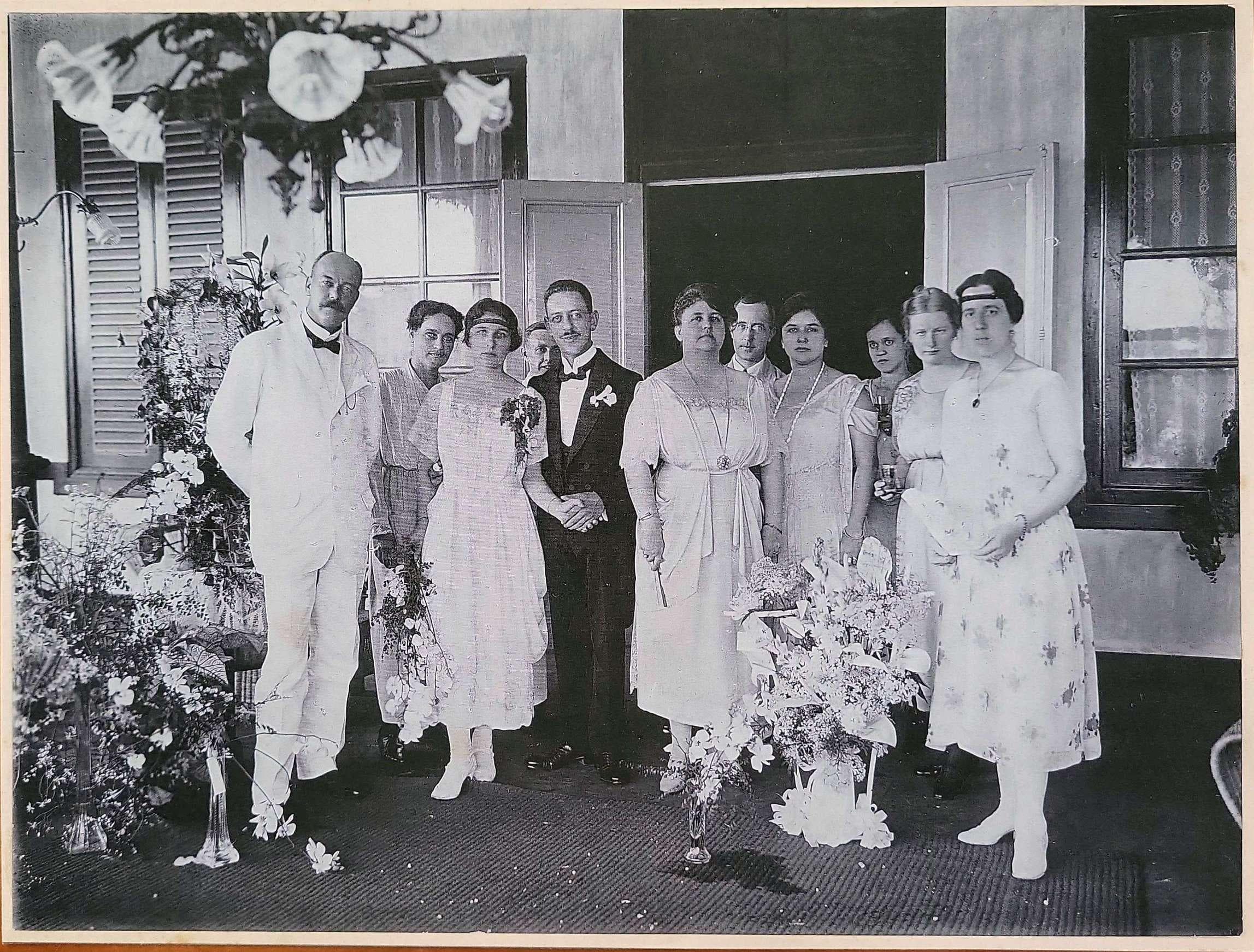
the project examines how state legislations affect these couples’ self-identification and the role of family networks in their coping and survival strategies.
The project is built on the conviction that is necessary to examine ‘mixed’ couples’ agency from a comparative, bottom-up perspective. It investigates how personal (e.g. the family) and local (e.g. the nature of ‘mixed marriage’ laws) factors influenced the choices these couples made. The hypothesis is that local factors and family ties played a crucial role in their agency, self-determination and fate under Nazi rule. The project thus paves the way for the recently called-for ‘familial turn’ in Holocaust scholarship which asserts that too much attention is paid to the individual while the family is generally the most intimate social unit holding communities together.
This project is made possible with support from the Veni grant, part of the Netherlands Organisation for Scientific Research (NWO).
Researcher
Stay up to date every month about new publications, activities and more.
Herengracht 380
1016 CJ Amsterdam
Tue - Fri: 09:00 - 17:30 hour
Closed on Monday
Note:
The NIOD itself is open as usual on Monday.
The NIOD is an institute of the Royal Netherlands Academy of Arts and Sciences